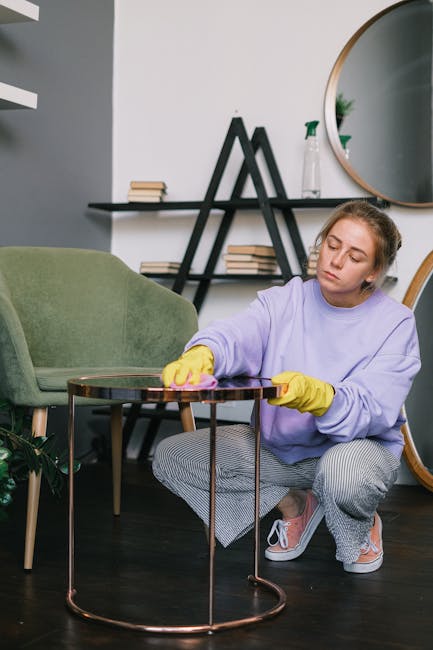
Archway upholstery cleaning for landlords tenancy turnarounds

When a tenancy ends, the clock starts ticking. Keys are back on the table, the inventory has been checked, and suddenly every mark on a sofa, every dull armchair, and every stubborn odour matters. Archway upholstery cleaning for landlords tenancy turnarounds is about getting furnished rental properties back into a clean, presentable, and rentable condition without the last-minute scramble. Done well, it helps you protect deposit disputes, improve first impressions, and shorten vacancy time. Truth be told, it is one of those jobs that looks simple until you are standing in the room wondering whether that faint stain is coffee, makeup, or both.
This guide explains how tenancy turnaround upholstery cleaning works in Archway, why it matters for landlords and letting agents, what to expect from the process, and how to avoid the common mistakes that waste time and money. If you manage a single flat or a larger portfolio, you will find practical steps, realistic expectations, and a few small but useful details that often get missed.
Quick expert summary: tenancy turnaround cleaning is not just about making upholstery look better. It is about restoring usable condition, improving hygiene, removing lingering smells, and reducing friction between outgoing and incoming tenants. A careful approach beats a rushed one every time.
Why Archway upholstery cleaning for landlords tenancy turnarounds Matters
Letting a furnished property sit with tired, stained or smelly upholstery is a false economy. The room may be technically let-ready on paper, but in reality the sofa tells a different story. Prospective tenants notice fabric condition instantly because it sits at eye level, softens the whole room, and carries the kind of everyday wear that carpets can sometimes hide. Upholstery is also where odours linger: food smells, pet traces, damp, smoke, and that odd "lived in" scent that seems to hang in the air even after the windows are thrown open.
For landlords in Archway, tenancy turnaround cleaning is especially valuable where furnished studios, HMOs, short lets, or family rentals rely on a neat, neutral presentation. A clean sofa or armchair can be the difference between a property that feels cared for and one that feels neglected. And in a turnover window, you rarely have time to replace everything. A proper clean can rescue a lot more than people expect.
There is also the practical side. Good upholstery maintenance can extend the life of furniture, reduce the need for premature replacement, and support better tenant satisfaction. If the outgoing tenant has left greasy marks on armrests, drink rings on seat cushions, or odour in fabric, ignoring it usually makes the problem harder later. You know how it goes: today's faint mark becomes tomorrow's permanent shadow.
It is worth seeing upholstery cleaning as part of a wider reset. In many properties, it sits alongside carpet cleaning, stain treatment, and sometimes steam carpet cleaning where the whole room needs a fresh start. That joined-up approach is often faster and better value than treating each item in isolation.
How Archway upholstery cleaning for landlords tenancy turnarounds Works
The process usually begins with an inspection. A good cleaner will look at fabric type, visible staining, wear patterns, odour sources, access issues, and whether any parts of the furniture need extra care. That first look matters. A velvet chair, a synthetic sofa, and a natural fibre armchair all behave differently. If someone jumps straight in without checking the material, that is a bit like washing a wool jumper with a hot cycle and hoping for the best. Not ideal.
From there, the cleaner will choose a suitable method. In many tenancy turnaround jobs, the main options are hot water extraction, low-moisture cleaning, targeted spot treatment, or specialised stain and odour work. Where fabrics are delicate, a more careful surface-cleaning method may be better. Where the upholstery is heavily used, a deeper wash may be needed. The right choice depends on the item, not just the timetable.
Pre-treatment usually follows. This is where any visible marks are broken down with appropriate solutions before the main clean begins. Common rental-property issues include food spills, drink stains, transfer marks from jeans or faux leather, body oils on headrests, and pet-related patches. If pet odour is an issue, a service such as pet stain and odour removal may be more suitable than a simple surface refresh.
After that comes the actual cleaning, which removes embedded dirt and residues from the fabric. A professional will usually work in a controlled way so the upholstery is not oversaturated. That matters because too much moisture can leave fabrics damp for longer, which is awkward when a new tenant is due in on Friday and the viewing is happening on Thursday afternoon. Been there, seen that, and nobody enjoys it.
Finally, the technician will often do a finishing inspection, groom the fibres where needed, and point out anything that may not fully disappear because it is actually damage rather than dirt. That honesty is useful. Landlords do not need fairy tales; they need clear expectations.
Key Benefits and Practical Advantages
There are a few reasons tenancy turnaround upholstery cleaning earns its keep very quickly.
- Faster re-letting: clean furniture helps the property photograph better and feel move-in ready.
- Better tenant perception: people tend to trust a property that looks looked after, right down to the soft furnishings.
- Deposit dispute support: if the upholstery is professionally cleaned between tenancies, it is easier to show that wear or damage was properly addressed.
- Odour reduction: stale smells, pet notes, and general tenancy drift are less likely to carry into the next letting.
- Longer furniture life: regular maintenance can delay replacement costs, especially on high-use sofas and chairs.
- Improved hygiene: upholstery can trap dust, allergens, body oils, and invisible grime over time.
There is a quieter benefit too: peace of mind. A landlord who knows the property has been reset properly can move from one tenancy to the next with less stress. That sounds simple, but it matters. Turnarounds are messy enough already.
If you are arranging a full end-of-tenancy clean, it often makes sense to combine upholstery work with other textile treatments like sofa cleaning, curtain cleaning, or mattress cleaning where those items are part of the tenancy inventory. That way, the property feels consistent rather than half-finished.
Who This Is For and When It Makes Sense
This service is most useful for landlords, letting agents, build-to-rent operators, and property managers dealing with furnished or partly furnished homes. It is especially relevant when the outgoing tenant has lived in the property for a while, has pets, or has simply used the furniture hard. Let's face it, some sofas go through a lot. Breakfast, laptops, muddy jeans, takeaway spills, late-night snacks, and the occasional "I'll just sit here with my coffee" moment.
It also makes sense in the following situations:
- you are between tenancies and need the property ready quickly
- the inventory shows staining or visible soiling on upholstery
- there is a smell that does not shift with airing alone
- the incoming tenant expects the furniture to be professionally cleaned
- you want to extend the life of an expensive sofa or suite
- the property is being marketed furnished and needs to look presentable in photos
For landlords managing multiple units, it can be sensible to think of upholstery cleaning as part of a repeatable turnover process rather than a one-off rescue. That shift in mindset saves hassle. You stop reacting to problems and start planning around them.
There are cases where cleaning is not enough. If fabric is torn, foam is degraded, or the frame is damaged, cleaning will improve appearance but it will not magically repair the item. A decent cleaner should say so plainly. That honesty is worth a lot.
Step-by-Step Guidance
If you want a smooth turnaround, a simple process helps.
- Check the inventory and condition notes. Identify which items need attention and whether any damage was already recorded.
- Take clear photos before cleaning. This is useful for your records and for any tenant discussion later.
- Remove loose items and clear access. Cushions, throws, and small furniture should be moved where possible.
- Share fabric concerns early. Mention delicate materials, known stains, pet issues, or previous treatment attempts.
- Book the clean before final handover pressure builds. Leave enough drying time. Rushing this stage is a common headache.
- Choose the right method for each item. A one-size-fits-all approach rarely gives the best result.
- Inspect after cleaning. Look at seams, arms, headrests, and shaded areas in natural daylight if you can.
- Record what was completed. Keep notes for the tenancy file, especially where the furniture is part of the inventory.
A small but helpful point: if the property has had pets, smoke, or a long vacancy, do not rely on fresh air alone. Open windows help, sure, but odours trapped in fabric tend to linger like an uninvited guest.
Expert Tips for Better Results
In tenancy turnarounds, small decisions make a big difference.
Book upholstery cleaning early in the turnaround window. That gives you room to deal with anything unexpected, such as a stain that needs a second pass or a cushion that needs more drying time. Last-minute bookings can work, but they are always a bit more stressful than they need to be.
Match the cleaning method to the fabric. Synthetic upholstery is usually more forgiving than natural or blended fabrics, but every item should still be assessed individually. Ask questions about fibre type, colourfastness, and prior cleaning history.
Combine upholstery work with stain removal where needed. Some marks respond well to targeted treatment before the main clean. If a stain has been sitting for months, a specialist approach matters more than heavy scrubbing. That usually makes things worse, not better.
Do not over-clean delicate items. A suite that has already been treated several times may need a gentler touch. Repeated aggressive cleaning can flatten fibres or leave the fabric looking patchy.
Think about the whole room. If the sofa is clean but the carpet or rug is still dull, the room still feels tired. Coordinating rug cleaning or stain removal can lift the whole space, not just one piece of furniture.
Be clear about turnaround priorities. If the property is due to be viewed the next morning, say so. A good cleaner can prioritise drying, access, and finish accordingly.
Common Mistakes to Avoid
A few avoidable mistakes crop up again and again in tenancy turnovers.
- Leaving upholstery until the last day. Drying time is often the missing piece, and nobody enjoys damp seating when a new tenant is due in.
- Assuming all stains are removable. Some marks are permanent or have already set into the fibres. Better to know early.
- Using household products in a hurry. Spray-and-pray is not a strategy. It can spread stains or leave residues that attract more dirt.
- Ignoring odour sources. If the smell comes from the fabric, airing the room will only do so much.
- Not checking fabric labels or care guidance. A careless method can shrink, mark, or distort upholstery.
- Forgetting the landlord's record-keeping side. Photos and notes are useful, especially where cleaning forms part of a fair handover.
One more practical point: do not let a slightly imperfect result derail the whole turnover. Sometimes a fabric will brighten significantly but still show the faint ghost of an old spill. That is normal. The aim is a professional, presentable finish, not a miracle.
Tools, Resources and Recommendations
You do not need a shed full of gadgets to manage a good tenancy turnaround, but you do need a sensible toolkit and a realistic plan.
Useful basics for landlords and agents:
- a clear inventory report with item-by-item notes
- camera photos taken in good light before and after cleaning
- access notes for keys, parking, and flat entry
- fabric or care information where available
- a simple record of what was cleaned, when, and by whom
If you are choosing a cleaning provider, look for clear communication, proper insurance, and a straightforward booking process. The site's pricing and quotes page is a useful starting point if you want to understand how jobs are usually discussed and priced. You can also read more about the company's approach on the about us page, which is often a good way to sense whether the team feels practical and accountable rather than vague.
If your turnover job involves multiple soft furnishings or a commercial-style refresh, it may also be worth looking at commercial carpet cleaning and the main upholstery cleaning service page for related support. The best outcomes usually come from pairing the right service with the right fabric and turnaround timing.
Practical recommendation: if the furniture is central to the property's rental value, treat it as an asset worth maintaining rather than a disposable item. That shift changes the whole conversation.
Law, Compliance, Standards, or Best Practice
For landlords, upholstery cleaning sits within the broader duty to hand over a property in a condition that is safe, usable, and consistent with the tenancy agreement and inventory. The exact obligations depend on the property, contract terms, and the evidence you hold, so it is wise to keep your records tidy and your expectations reasonable. Avoid overstating what cleaning can achieve, and be careful not to promise that every stain will vanish.
From a best-practice angle, the important themes are straightforward: use suitable cleaning methods, avoid unnecessary damage, document the condition of items before and after work, and make sure any contractor you use works safely. Where cleaning agents or machinery are involved, sensible handling and proper ventilation matter. That is especially true in tighter London flats where a strong odour can linger for hours if windows are not opened properly.
It is also sensible to choose a provider that is clear about safety and customer care. Pages such as health and safety policy, insurance and safety, terms and conditions, and privacy policy help you understand how the business approaches practical risk, booking, and data handling. You do not need legal jargon. You need clarity.
If you ever have concerns about service quality, it is helpful when a provider also has a clear complaints procedure. That is not a dramatic thing. It is just part of working with adults, really.
Options, Methods, or Comparison Table
Different upholstery jobs need different approaches. Here is a simple comparison that helps with planning.
| Method | Best for | Strengths | Watch-outs |
|---|---|---|---|
| Hot water extraction | General tenancy turnaround on robust fabrics | Deep clean, strong soil removal, good for heavily used sofas | Longer drying time if overused or poorly managed |
| Low-moisture cleaning | Faster turnarounds or more delicate situations | Quicker drying, less disruption | May not suit severe soiling or deep-set odours |
| Targeted stain treatment | Visible spots, transfer marks, isolated spills | Focuses on the problem area without overworking the whole piece | Results vary depending on age and type of stain |
| Odour-focused treatment | Pets, smoke, stale occupancy smells | Helps address the source rather than masking it | Very strong odours may need more than one treatment |
For many landlords, the answer is a combination rather than a single method. A sofa might need stain work on one cushion, general cleaning across the arms and seat, and a separate odour treatment near the backrest. That is normal. Real properties are rarely tidy little textbook examples.
Case Study or Real-World Example
A furnished one-bedroom flat in Archway comes to the end of a tenancy after two years. The inventory shows a two-seater sofa, one armchair, and a medium rug. On inspection, the sofa has light armrest marking, a small food stain on one seat cushion, and a faint pet smell that becomes noticeable when the windows are closed. Nothing dramatic, but enough to make the room feel tired.
The landlord books upholstery cleaning as part of the turnaround, alongside carpet work in the living area. The cleaner inspects the fabric first, spots that the sofa material is synthetic, pre-treats the stain, and uses a method suited to quicker drying. The armchair is cleaned at the same time. The rug receives separate attention because it has a different pile and collects more dirt near the edge of the room.
By the next day, the room looks brighter, smells fresher, and photographs better. More importantly, the property feels consistent. The furniture no longer drags the room down. There is still a small faint mark on one cushion if you look closely, but honestly, you have to look closely. For a normal viewing, it presents well and the landlord can move on without the lingering worry that the soft furnishings will put off the next tenant.
That kind of outcome is common. Not perfect. Better. And in tenancy turnarounds, better is often exactly what you need.
Practical Checklist
Use this quick checklist before and after booking upholstery cleaning for a tenancy turnaround.
- Confirm which upholstered items are staying in the property.
- Check the inventory notes for pre-existing marks or damage.
- Take dated photos in natural light.
- Identify any pet, smoke, food, or drink issues.
- Tell the cleaner about delicate fabrics or previous cleaning attempts.
- Allow enough drying time before check-in or viewing.
- Coordinate upholstery work with carpets, rugs, or curtains if needed.
- Inspect the finished result in person, not just by photo.
- Save the invoice and job notes with the tenancy file.
- Flag any furniture that may need repair or replacement rather than another clean.
Landlord tip: the best turnaround jobs are the ones where nobody is rushing at the finish line. Build a little breathing room into the schedule, and everything gets easier.
Conclusion
Archway upholstery cleaning for landlords tenancy turnarounds is really about control. Control over standards, over presentation, over timing, and over the little details that can make a rental feel cared for rather than merely emptied. When you handle upholstery properly at the end of a tenancy, you improve the property's appearance, support a smoother handover, and reduce the risk of avoidable complaints later.
The key is to treat the work as part of the full reset, not an afterthought. Inspect the furniture, choose the right method, allow drying time, and document what was done. Do that consistently and you will notice the difference, both in the room itself and in how the next tenancy starts. A calm, clean handover saves time in ways people often only realise afterwards.
Get a free quote today and see how much you can save.
And if you are mapping out a full turnover plan, it may help to review the company's contact page for arranging the work and the recycling and sustainability information if you want to keep the process as tidy and responsible as possible. Small things, but they add up.
Frequently Asked Questions
What is tenancy turnaround upholstery cleaning?
It is the cleaning of sofas, chairs, cushions, and other upholstered items between tenancies so the property is ready for the next occupant. The goal is to remove visible dirt, refresh the fabric, and reduce odours before the handover.
Why is upholstery cleaning important for landlords in Archway?
Because upholstered furniture is often the first thing tenants notice in a furnished property. Clean fabric helps the place feel maintained, improves presentation, and can reduce friction over the final condition of the inventory.
Can upholstery cleaning remove old stains?
Sometimes, yes. Older stains are more difficult and some may be permanent, especially if they have been set by heat, friction, or previous cleaning attempts. A proper inspection should give you a realistic idea before the work starts.
How long does upholstery take to dry?
It depends on the fabric, the method used, room ventilation, and the weather. Faster-drying methods exist, but it is still wise to allow enough time before a new tenant moves in or a viewing takes place.
Should upholstery be cleaned before or after carpets?
Usually during the same turnover window, and often before final photography. The exact order can vary, but many landlords like to coordinate upholstery with carpet and rug work so the whole room feels reset together.
What if the sofa smells of pets or smoke?
Then you may need more than a basic surface clean. Odour-related jobs often need targeted treatment, and in some cases a combination of fabric cleaning and odour removal gives the best result.
Is it worth cleaning old furniture, or should I replace it?
If the item is structurally sound, cleaning is often the sensible first step. Replacement makes more sense when the fabric is torn, the cushioning is gone, or the item is too worn to present well even after cleaning.
Do I need to be present during the cleaning?
Not always, but you do need to provide access and clear instructions. Many landlords prefer to attend the inspection or final check rather than stand over the work itself.
Can upholstery cleaning help with deposit disputes?
Yes, it can support your records by showing that you maintained the furniture properly between tenancies. It is not a magic shield, but it does help when you need clear evidence of care and condition.
How do I choose a good upholstery cleaner for tenancy turnarounds?
Look for clear communication, sensible pricing, relevant experience, and transparency about safety, insurance, and expected outcomes. A provider who explains fabric suitability and drying time is usually a safer choice than one who promises everything will be perfect.
What should I tell the cleaner before they arrive?
Share the fabric type if you know it, mention any stains or odours, point out previous cleaning attempts, and explain any access issues. A little detail upfront saves a lot of back-and-forth later.
Can I combine upholstery cleaning with other services?
Yes, and often that is the most efficient option. Many landlords combine it with carpet, rug, curtain, or mattress cleaning so the property is fully refreshed in one visit rather than piecemeal.
If you want a cleaner, faster handover and a better-looking rental, start with the soft furnishings. They carry more of the story than people realise. And once they're sorted, the whole property settles down a bit.