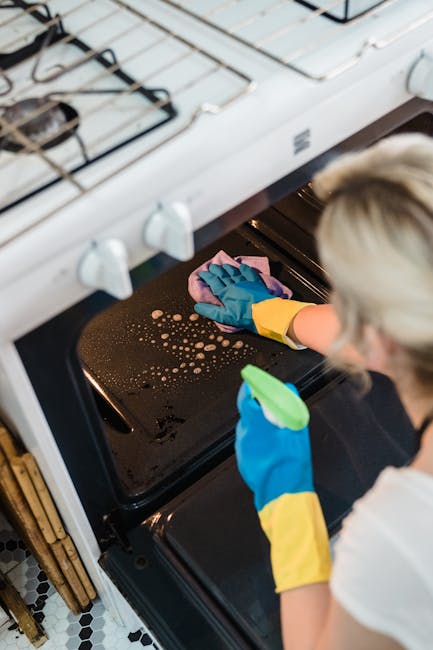
Fast oven cleaning in Archway N19: avoid hidden fees today
If your oven has reached that stubborn stage where the glass looks cloudy, the trays are sticky, and every roast seems to come with a faint burnt smell, you are probably after one thing: a fast, honest clean that does not spring extra charges on you at the end. Fast oven cleaning in Archway N19 avoid hidden fees today is really about two priorities at once - getting the job done quickly and knowing exactly what you are paying for before anyone starts. That sounds simple, but in real life it is where many people get caught out.
In this guide, we will walk through how a quick oven clean should work, what affects price, which extras are fair, and which ones should make you pause. We will also cover practical booking tips, service expectations, and a few simple checks that help you avoid the sort of awkward surprises nobody enjoys at 7pm on a Tuesday.
Key takeaway: a good oven cleaning service should feel straightforward from the first quote to the final wipe-down. Clear scope, clear timing, clear price. Anything less? Ask again.
Why Fast oven cleaning in Archway N19 avoid hidden fees today Matters
A dirty oven is not just a cosmetic issue. It affects smell, cooking performance, and sometimes how evenly your food browns. If grease has built up on the fan, door seals, racks, or cavity walls, the oven can take longer to heat and may smoke during use. Nobody wants that smoky little drama right when guests are due.
The "avoid hidden fees" part matters just as much. Plenty of customers do not mind paying for extra work if it is genuinely needed, but they do mind vague add-ons, unclear minimum charges, and last-minute fees that were never mentioned during booking. To be fair, the industry is full of decent operators; the issue is that the less trustworthy ones often sound perfectly reasonable until the invoice arrives.
In Archway N19, people usually want a service that fits around work, family life, or a rental move-out deadline. Fast booking and transparent pricing are valuable because they reduce hassle. That is especially true if you are juggling a checkout clean, a sale completion, or simply trying to get the kitchen back to normal before the weekend.
There is also a trust element. A clear quote says something important about how a company works: it suggests they are organised, accountable, and not relying on confusion to make money. That is a decent sign, honestly.
How Fast oven cleaning in Archway N19 avoid hidden fees today Works
A proper fast oven cleaning service usually follows a simple pattern. First, you describe the oven type and condition. Then the cleaner estimates the job based on size, grime level, and any extras such as hob cleaning, extractor cleaning, or a heavily soiled interior. After that, a technician arrives with the right materials, protects the surrounding area, and carries out a deep clean.
The fast part does not mean rushed. It means efficient. Good cleaners work methodically: racks out, loose debris removed, interior degreased, door glass cleaned, seals checked, and final buffing done so the oven is ready to use again without residue or strong chemical smell lingering around the kitchen.
Where hidden fees creep in is usually the quoting stage. Sometimes the base price is only for a very lightly soiled single oven. Then the cleaner charges more because the oven is double-sized, the racks need soaking, the fan cover is awkward, or the job involves a self-cleaning model that requires more careful handling. Those additions are not always wrong. The problem is when they are not explained clearly.
If you want a smoother process, look for written pricing details before booking. The page on pricing and quotes is the sort of place where a transparent business should set out what is included, and the wording should be plain enough that a tired homeowner can understand it at a glance. That tends to be a good sign.
Key Benefits and Practical Advantages
There are a few clear reasons people opt for a fast professional oven clean instead of trying to tackle the job themselves on a Saturday afternoon with a pair of rubber gloves and a growing sense of regret.
- Time saved: a trained cleaner can finish the job much faster than most people can manage at home, especially on baked-on grease.
- Better finish: hard-to-reach corners, fan covers, and glass panels usually come up cleaner with the right tools and process.
- Less stress: you do not have to dismantle half the kitchen or guess which cleaning product will haze the glass.
- Improved cooking environment: removing burnt residue helps reduce lingering odours and smoking during use.
- Transparent budgeting: when the quote is clear, you can plan with confidence and avoid that awkward end-of-job conversation.
There is also a practical household benefit that gets overlooked: a clean oven simply makes regular cooking feel less annoying. When you open the door and see a neat cavity instead of sticky brown buildup, the whole kitchen feels more under control. Small thing, big difference.
For homeowners preparing for guests, landlords arranging an end-of-tenancy clean, or busy families trying to reset the kitchen after months of heavy use, fast oven cleaning can be one of the most satisfying jobs to tick off.
Who This Is For and When It Makes Sense
This service is a good fit for anyone who needs the oven cleaned properly without spending half a day doing it themselves. In practical terms, that often includes:
- busy households that cook often and let grease build up gradually;
- tenants or landlords preparing a property for inspection;
- homeowners about to host a dinner, family event, or holiday gathering;
- people moving out who need the kitchen looking presentable;
- older residents or anyone who prefers not to use strong products or scrub for ages;
- those who have already tried DIY oven cleaners and realised the oven was winning.
It makes especially good sense when the oven is not just dusty but properly baked-on with residue. A quick wipe is one thing. A grimy fan oven with dark marks around the door seal is another story altogether. If you are looking at the oven and thinking, "I'll get to that next week," well, next week has probably already been and gone.
For households with other cleaning needs too, it may be worth thinking about how oven care fits alongside carpet cleaning, sofa cleaning, or upholstery cleaning. Bundling cleaning priorities can sometimes make the day feel far more manageable, especially if you are refreshing a whole property rather than just one appliance.
Step-by-Step Guidance
If you want to avoid hidden fees and still get a fast result, the process is easier when you approach it in a sensible order.
- Identify your oven type. Single oven, double oven, range cooker, or combination unit. This affects both time and cost.
- Check the condition honestly. Heavy grease, burnt-on carbon, and neglected racks may need more work than a standard clean.
- Ask what is included. Door glass, racks, trays, fan area, seals, and exterior panels should be clearly explained.
- Request a written quote or clear booking summary. Even a short written breakdown is better than a vague promise.
- Confirm any extras in advance. For example, hobs, extractor hoods, or multiple ovens may be priced separately.
- Prepare the kitchen space. Clear access around the oven and move small items away so the cleaner can work efficiently.
- Inspect the result before the technician leaves. Check glass clarity, seals, racks, and any areas you specifically raised.
A useful little habit: take two quick photos before the clean if the oven is especially dirty. Not because you expect drama, but because it makes it easier to compare the before-and-after result and confirm that the agreed scope was completed.
If you need a broader service overview, the team pages for steam carpet cleaning and stain removal can help you understand how specialist cleaning services are usually structured, which is handy if you are comparing more than one kind of cleaning work in the same home.
Expert Tips for Better Results
In our experience, the best oven cleans are the ones where expectations are nailed down before anyone arrives. That sounds obvious, but it is exactly where people skip a step.
Ask about the quote style. Is it fixed, or is it an estimate that can change after inspection? A fair estimate is fine, but you should know the rule before the booking is accepted.
Clarify access. If the oven is built-in, tucked under a worktop, or surrounded by tight units, say so. That kind of detail affects how quickly the cleaner can work.
Keep the booking note short but precise. Mention if there is heavy carbon buildup, a very old appliance, or a self-cleaning function that no longer works as expected. It saves time later.
Check what chemicals are used. You do not need a laboratory explanation, but you should know whether the products are standard degreasers, low-odour formulas, or more specialised solutions. If you have ventilation concerns, ask directly.
Think about the kitchen around the oven. Grease often jumps further than people expect. A technician may tidy nearby splash zones, but if you have a favourite tea towel hanging right beside the cooker, move it. Saves everyone a bit of faff.
A good local cleaning experience should feel calm and predictable: arrive, assess, clean, explain, leave the space better than they found it.
Common Mistakes to Avoid
Most problems come from the same small set of mistakes. None are dramatic on their own, but together they can turn a simple booking into a frustrating one.
- Booking on price alone: the cheapest quote is not always the best value if it excludes basic parts of the job.
- Not naming the oven type: a range cooker or double oven needs different time and labour than a basic single unit.
- Ignoring the condition: heavy grease or burnt-on residue should be mentioned up front.
- Assuming extras are included: trays, hobs, extractor areas, and removable panels may vary by provider.
- Skipping the final check: if you leave the inspection until later, it is harder to discuss any missed areas.
- Accepting vague language: phrases like "from" or "subject to" are fine only if the conditions are fully explained.
One of the most common issues, truth be told, is the customer thinking the quote covered "the whole oven" while the provider meant only the basic cavity. That is not a tiny difference. It is the difference between a fair job and a fee surprise.
And yes, sometimes people also forget to mention that the oven has not been cleaned properly for years. Not ideal. Not the end of the world, but not ideal.
Tools, Resources and Recommendations
You do not need to buy specialist equipment just to compare service quality, but a few simple tools and habits help a lot.
- A phone camera: useful for before-and-after comparison and for noting any pre-existing marks.
- A notepad or notes app: jot down what is included in the quote so nobody is relying on memory.
- Access to the oven model information: if you can find the brand or model number, that helps with accurate quoting.
- Clear kitchen access: a tidy workspace makes the clean faster and reduces the chance of accidental contact with surrounding surfaces.
- Company policy pages: pages such as insurance and safety and terms and conditions can tell you how a provider handles responsibility, service scope, and payment expectations.
If you are comparing providers, a transparent business will usually make it easier to understand how payment works too. The payment and security information should be plain and practical, not buried in confusing jargon.
For customers who care about values as well as convenience, a page like recycling and sustainability can also be useful. It will not tell you everything, but it does show whether the business thinks carefully about materials and waste, which is a fair question in modern cleaning work.
Law, Compliance, Standards, or Best Practice
Oven cleaning is not usually a heavily regulated service in the way that medical or legal work is, but a sensible provider should still follow sound business and safety practices. That means clear pricing, honest descriptions, safe chemical use, and appropriate insurance where relevant.
In the UK, customers generally expect consumer-friendly behaviour: prices should not be misleading, service descriptions should be accurate, and any significant limitation or extra charge should be made clear before work starts. That is basic good practice, not fancy stuff.
Safety matters too. Cleaning products should be handled carefully, ventilation should be considered, and the technician should avoid leaving slick residue on floors or worktops. If a company publishes a health and safety policy, that can be a reassuring sign because it suggests the team thinks about procedure rather than rushing in and hoping for the best.
It is also reasonable to ask whether the company is covered for the kind of work it carries out. A page like insurance and safety should help you understand how the business approaches risk. That does not mean problems never happen - of course not - but it does show that the business has considered them.
If something goes wrong, you should know how complaints are handled and how the company responds. Clear policies such as complaints procedure and privacy policy are part of that trust picture. Not glamorous, maybe, but very useful.
Options, Methods, or Comparison Table
When people search for oven cleaning, they are usually deciding between doing it themselves, booking a standard service, or paying for a deeper specialist clean. The right choice depends on time, oven condition, and how much hassle you want to avoid.
| Option | Best for | Pros | Watch-outs |
|---|---|---|---|
| DIY clean | Light soil and routine maintenance | Low direct cost, flexible timing | Time-consuming, messy, easy to miss corners |
| Standard professional clean | Most household ovens with moderate buildup | Faster, better finish, less effort | Scope must be checked so extras do not appear later |
| Deep specialist clean | Heavily soiled ovens, move-outs, or neglected appliances | More thorough, better for stubborn residue | May cost more if the job is complex |
The table is simple, but that is the point. If your oven is only lightly dirty, you may not need a heavy-handed solution. If it is caked in grime and smells like last Christmas's turkey, then a more thorough clean is probably worth it.
Case Study or Real-World Example
Imagine a family in Archway preparing to move out of a flat after several years of cooking at home most nights. The oven is not unusable, but it is clearly past its best. The door glass is smeared, the racks are dark at the edges, and there is a dull baked-on layer inside that no supermarket spray has really touched.
They want the work done quickly because the inventory check is in a couple of days. They also want certainty on cost, because the removal van, keys, and utility final reads are already eating up the budget. So before booking, they ask three specific questions: what the price includes, whether a double oven counts as a different tier, and whether trays and racks are part of the service.
That small amount of clarity changes everything. The cleaner arrives, the job is done in a sensible time window, and there is no messy argument at the end about what was or was not included. The oven looks far better, the kitchen smells cleaner, and the family can focus on the move rather than scrubbing metal shelves at midnight. Simple win.
That is really what "avoid hidden fees" means in practice: not trying to outsmart anyone, just making sure both sides understand the job in the same way. Clear enough, and a lot less stressful.
Practical Checklist
Use this checklist before you book:
- Identify whether the oven is single, double, or range style.
- Describe the current condition honestly, including heavy grease or burnt residue.
- Ask exactly what the quoted price includes.
- Check whether racks, trays, glass, seals, and fan cover are included.
- Confirm any extras in advance, especially hobs or extractor areas.
- Ask for clear payment information before the appointment.
- Make sure access around the oven is clear.
- Review any relevant service or policy pages before you commit.
- Inspect the finish before the technician leaves if possible.
- Keep a note of the agreed scope for your records.
Quick reminder: a short, clear conversation before booking is usually the best way to avoid awkward surprises later. Really, it saves everybody time.
Conclusion
Fast oven cleaning in Archway N19 avoid hidden fees today is not just a search phrase; it is a sensible way to approach a job that can otherwise turn into a small headache. The best services are quick, clear, and upfront about what the quote covers. You should know the price, the scope, and the expected result before anyone opens the oven door.
When you choose carefully, you get more than a clean appliance. You get peace of mind, a fresher kitchen, and one less thing hanging over your weekend. That matters more than people think.
If you are weighing up your options now, take a minute to check the details properly, ask the simple questions, and choose the service that feels transparent from the start. A tidy kitchen has a way of making the whole house feel lighter.
Get a free quote today and see how much you can save.
Frequently Asked Questions
How fast can an oven cleaning appointment usually be arranged in Archway N19?
It depends on availability, but many customers book within a short window when they contact a local provider early. If you need a fast turnaround, be clear about your timing from the start so the booking can be matched properly.
What counts as a hidden fee in oven cleaning?
A hidden fee is any charge that was not clearly explained before the job started. That might include extra costs for oven type, heavy soiling, trays, racks, or added appliance parts. If it is not mentioned clearly, ask about it.
Should racks and trays be included in the price?
Often they are, but not always. That is why you should check the service scope rather than assume. A clear provider will tell you whether racks, trays, and removable parts are part of the standard clean.
Is a quote likely to change after the cleaner sees the oven?
It can, especially if the actual condition is much worse than described. That is not automatically unfair. The important thing is that any adjustment is explained before the work continues.
How do I compare oven cleaning prices fairly?
Compare what is included, not just the headline figure. One quote may look cheaper but exclude items that another quote includes. Fixed scope matters more than a low number on its own.
Can a really dirty oven still be cleaned quickly?
Yes, often it can, but "quickly" does not mean the same length of time for every oven. Heavy buildup may take longer. A good cleaner will balance speed with proper attention to the greasy parts nobody wants to scrub.
Do I need to prepare the kitchen before the appointment?
Yes, a little preparation helps a lot. Clear access to the oven, move fragile items away, and make sure the cleaner can reach the appliance safely. It makes the appointment smoother and usually faster.
What should I ask before booking to avoid extra charges?
Ask what the quote includes, whether the oven type affects the price, whether any extras cost more, and how payment works. Those four questions cover most of the common problems.
Is professional oven cleaning worth it for a rental move-out?
Very often, yes. A clean oven can make the kitchen look far better at inspection time and saves you a long, messy DIY job when you are already trying to manage the rest of the move.
What if the company's terms or complaint process are unclear?
If the terms are hard to understand or the complaints process is missing, that is worth noting. A trustworthy business should make key policies easy to find and easy to read.
Can oven cleaning services also help with related kitchen grime?
Some providers may handle related cleaning tasks, but you should ask directly rather than assume. If you are also looking at carpets, upholstery, or stain work in the property, check the relevant service pages and keep the conversation focused on what you actually need.
How do I know if I am getting a fair service?
You are usually on solid ground if the pricing is clear, the scope is explained, the booking feels straightforward, and the final result matches what was promised. Fairness looks boring on paper. That is often a good sign.