Islington Council upholstery cleaning waste rules: a practical guide for homes, landlords, and cleaners
If you are trying to work out Islington Council upholstery cleaning waste rules, you are probably dealing with one of those messy, slightly awkward jobs that looks simple until you start lifting wet fabric, old foam, dust, and dirty water. What counts as waste? What can go in the bin? What should be taken away separately? And if you are paying for a professional clean, who is actually responsible for the disposal side of things?
Truth be told, this is where a lot of people get caught out. Upholstery cleaning itself is straightforward enough. The waste that comes off the job is where the questions begin. In this guide, we break the topic down in plain English, with a focus on sensible local practice in Islington, how waste is usually handled, what to avoid, and how to make sure you stay on the right side of council expectations and UK waste rules.
You'll also find a simple step-by-step process, a practical checklist, and a comparison table to help you decide the cleanest, safest way to manage the waste from sofas, chairs, cushions, and other upholstered items.
Why Islington Council upholstery cleaning waste rules Matters
Upholstery cleaning creates a mix of waste streams, and not all of them are treated the same way. A chair cushion that is beyond saving is very different from wastewater extracted from a sofa, and both are different again from a bag of removed fabric trim or a pile of vacuumed debris. Islington Council, like other London councils, expects waste to be managed responsibly and disposed of using suitable routes. That sounds obvious, but in practice it is easy to get it wrong.
Why does this matter so much? For one thing, badly handled waste can cause odours, staining, damp patches, and blocked drains. More importantly, some waste from cleaning jobs may need special care depending on what it contains. Think of pet mess, mould, bodily fluids, or chemical residues. Not every job will involve those issues, but when they do, the disposal approach needs to be more careful. Let's face it, no one wants a clean-looking sofa and a messy back end to the job.
There is also a legal and practical side. In the UK, waste should generally be stored securely, handled safely, and taken to an appropriate disposal route. Householders, landlords, and cleaning businesses each have responsibilities, even if those responsibilities differ a bit. If you are a tenant preparing for the end of a tenancy, a landlord turning over a flat, or a cleaner working across Islington, the rules shape what can happen next.
One local reality is space. Flats and terraced homes in Islington often do not have much room for staging waste, drying items, or keeping dirty materials separate. That makes planning even more important. A wet fabric cushion left in a hallway for too long can quickly become a problem. You can smell it before you see it.
How Islington Council upholstery cleaning waste rules Work
There is no single neat rule that covers every upholstery cleaning job in every household. Instead, you need to think in layers: the type of waste, who created it, how it is stored, and where it goes next. That is the practical reality.
1. Identify the waste type
Start by separating the waste into sensible groups:
- Dry debris such as dust, lint, hair, crumbs, or loose fibres
- Dirty wastewater from extraction or spot cleaning
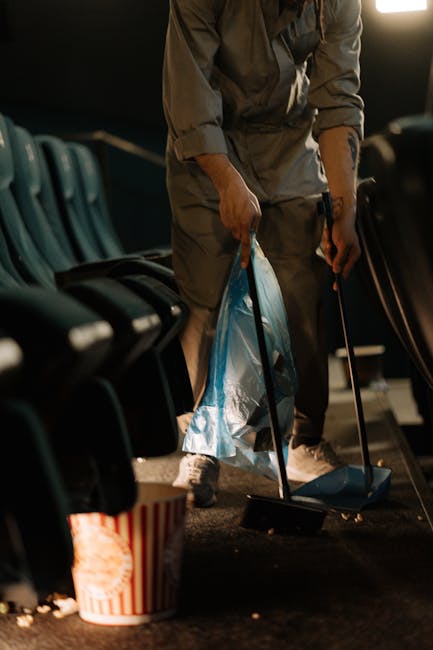
- Disposable materials like cloths, pads, gloves, or single-use covers
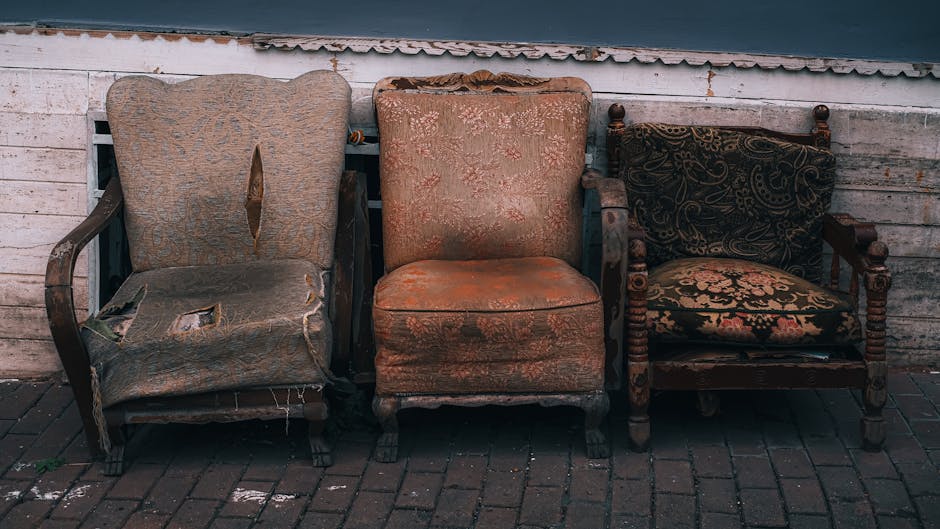
- Damaged upholstery components such as foam, stuffing, webbing, or broken trim
- Contaminated waste from pet accidents, mould, or body-fluid incidents
Once you know what you are dealing with, the next decision becomes much easier. The same applies whether you are cleaning a dining chair or a large corner sofa. What comes off the item matters more than the item name itself.
2. Keep waste contained
Waste should be contained in a way that avoids leaks, spills, and cross-contamination. Dry waste can usually be bagged. Wet waste needs sealed containers. If you are working in a property rather than a commercial premises, do not be tempted to pour dirty cleaning water into a random drain without thinking it through. That may be unsuitable depending on what the water contains, and it can create problems for the property or the drainage system.
3. Decide whether the waste is household waste or something more sensitive
For many routine upholstery cleans, the waste is ordinary household-style waste. But if the item has been contaminated by pests, mould growth, bodily fluids, or strong chemicals, you may need a more careful disposal route. This is the point where a bit of judgement helps. If it feels questionable, treat it more cautiously and ask the cleaning provider how they handle it.
4. Arrange removal or disposal
In some cases, the waste can go out through normal refuse collection if it is properly bagged and acceptable for the household's waste stream. In other cases, larger items or contaminated materials may need separate removal through a licensed waste route or a specialist collection. A professional cleaner should be able to explain what they remove, what they leave behind, and how they handle anything more awkward.
Practical point: if a cleaner says, "we'll just sort it out later," that is not really enough. Later has a habit of turning into never.
Key Benefits and Practical Advantages
Getting the waste side right is not just about compliance. It has real-world benefits that save time, reduce stress, and protect the property.
- Cleaner rooms faster - Less mess left around means the space feels usable sooner.
- Lower odour risk - Proper containment keeps smells from hanging around after the clean.
- Less chance of damage - Wet waste left in one place can mark floors or soak through packaging.
- Better hygiene - Especially important for homes with pets, children, or allergies.
- Easier tenancy handovers - A tidy waste trail helps when a landlord or letting agent inspects the property.
- Reduced disposal mistakes - You avoid mixing unsuitable waste into the wrong bin.
There is a quieter benefit too: peace of mind. When you know the waste has been handled properly, the whole job feels more complete. Not glamorous, maybe, but very satisfying.
For commercial settings in and around Islington, the practical upside is even bigger. Reception seating, waiting rooms, and office soft furnishings can be cleaned with less disruption when the waste plan is sorted in advance. If the waste from the job is being managed in a structured way, staff are not left guessing where the soggy cloths or removed debris should go.
You can also reduce repeat work. If contaminated waste is removed correctly the first time, you are less likely to deal with lingering smells or a second round of cleaning because something was overlooked.
Who This Is For and When It Makes Sense
This topic is not just for cleaning companies. In fact, a lot of the questions come from ordinary households. If you live in Islington, are renting, managing a property, or booking a sofa clean, these rules affect you more than you might expect.
Homeowners and private tenants
If you are cleaning a sofa, armchair, footstool, or dining chair at home, you will usually want to know what waste can stay in your domestic bins and what should not. This matters most after spillages, pet accidents, or long-neglected furniture that is producing dust and debris by the bagful.
Landlords and letting agents
For turnover cleans, the waste question often appears at the worst possible moment: keys are due back, cleaners are inside, and the property still smells a bit damp. A clear waste process helps keep the turnaround on schedule. If the furniture is being cleaned as part of a wider end-of-tenancy job, it may make sense to tie this in with broader end-of-tenancy cleaning planning. A related guide on upholstery cleaning for landlords and tenancy turnarounds gives a useful sense of how these jobs fit together in practice.
Cleaning contractors
If you are doing the work professionally, waste handling is part of the service, even if it is not always the most visible part. Good cleaners think ahead about containment, drying time, load size, and disposal routes. A messy finish does not inspire confidence, whatever the clean itself looks like.
Property managers and commercial clients
Offices, clinics, co-working spaces, and hospitality venues often have upholstery cleaning needs on a schedule. Here, waste handling is tied to access, timing, and public safety. If the job must happen early morning or late evening, the waste still needs to be removed cleanly and quietly without leaving a trail behind it.
Step-by-Step Guidance
Here is a straightforward way to approach upholstery cleaning waste from start to finish.
- Inspect the item first. Look for stains, damp patches, rips, loose foam, pet contamination, mould, or signs of infestation. A quick check now prevents awkward surprises later.
- Separate dry and wet waste. Dry debris can usually be bagged. Wet waste should be kept in sealed containers or lined bags.
- Use the least disruptive cleaning method that will do the job. Not every fabric needs heavy extraction. Sometimes a lighter process creates less waste and dries faster.
- Protect floors and nearby surfaces. Old towels, catch mats, and protective sheeting save a lot of grief. Especially in tight London hallways, where everything seems to brush against everything else.
- Collect wastewater carefully. Never leave it sloshing around in an open bucket. Decant it into suitable containers if needed, and store it safely until disposal.
- Dispose of disposable materials promptly. Gloves, wipes, and used cloths should not be left out "just for a minute." That minute becomes a day, and then the room starts to smell faintly sour.
- Check whether specialist removal is needed. If the upholstery is damaged beyond cleaning, or the waste is contaminated, use an appropriate waste route.
- Leave the area clean and dry. The job is not finished until the surrounding space looks tidy and nothing hazardous has been left behind.
A useful rule of thumb: if the waste looks, smells, or behaves like it might cause trouble, treat it with more care than ordinary household rubbish. Simple enough, really.
Expert Tips for Better Results
These are the kinds of small decisions that make a noticeable difference on site.
Plan the waste route before you start
In our experience, the clean goes much better when the disposal plan is decided first. Where will wet cloths go? Where will the dirty water sit? Which bin is being used? When these answers are clear, the job feels calmer from the start.
Do not overload waste bags
Heavy, overfilled bags split at exactly the wrong moment. That means extra handling, more mess, and sometimes a second cleanup that nobody asked for.
Use clear labelling if multiple jobs are happening
For commercial or multi-flat work, labelling waste bags or containers can save confusion. It sounds a bit fussy until you are standing in a service corridor with three different jobs on the go. Then it suddenly seems very sensible.
Dry items faster wherever possible
The less moisture you leave in fabric, the less likely you are to create a waste issue later. Faster drying also reduces odour. A warm, well-ventilated room helps a lot.
Be extra cautious with old foam and broken stuffing
When a sofa or chair is deteriorating, the loose internal material can shed everywhere. Bag it early. Do not let it drift around the property like it owns the place.
Keep the client informed
If you are a contractor, explain what you will remove, what will remain, and whether anything needs a special disposal route. People appreciate clear answers. They really do.
Expert summary: the best waste handling is usually invisible. You notice it only because everything feels tidy, dry, and under control.
Common Mistakes to Avoid
Most waste problems after upholstery cleaning are not dramatic. They are just a chain of small oversights.
- Mixing wet waste with dry rubbish - This makes recycling or normal disposal harder and can cause leaks.
- Using the wrong bin - Not every item is suitable for general household waste.
- Leaving damp cloths in sealed spaces too long - That creates a stale smell very quickly.
- Ignoring contamination - Pet accidents, mould, and bodily fluids deserve more caution than standard dust and lint.
- Assuming the council will collect everything the same way - Local collection arrangements vary, and awkward items may need special handling.
- Not telling the landlord or tenant what was removed - This can cause disputes later, especially during move-out checks.
- Forgetting drainage concerns - Dirty liquid should not be tipped away without checking that it is suitable.
One of the easiest mistakes to make is the innocent-looking "I'll sort that in a bit" approach. A bit turns into a day, then a week. You know how it goes.
Tools, Resources and Recommendations
You do not need a warehouse full of equipment to manage upholstery cleaning waste properly. But a few practical items make the job much easier.
- Heavy-duty waste bags for dry debris and disposable cleaning materials
- Sealable tubs or buckets for dirty water
- Microfibre cloths that can be washed and reused where suitable
- Gloves for hygienic handling of contaminated waste
- Protective sheets or mats for floors and access paths
- Labels or marker pens for separating job materials in larger properties
- Ventilation support such as open windows or fans to speed drying
It also helps to keep your internal paperwork tidy. For example, if you are reviewing service options, pricing, or business credentials, pages like pricing and quotes, insurance and safety, and health and safety policy are useful for understanding how a provider frames the job. If sustainability matters to you, the company's recycling and sustainability page is also worth a look.
For readers comparing services, upholstered items do not exist in a vacuum. Sofas, rugs, curtains, and mattresses all produce slightly different waste patterns. A home with pets, for instance, often benefits from coordinated cleaning rather than a one-off emergency dash. Related service pages such as sofa cleaning, upholstery cleaning, rug cleaning, curtain cleaning, and mattress cleaning can help you think through the wider job.
Law, Compliance, Standards, or Best Practice
This is the part people often want a straight answer on, so here it is in plain language: waste from upholstery cleaning should be managed responsibly, safely, and in line with applicable UK waste practice. That means storing it properly, avoiding pollution, and using an appropriate disposal route. If the waste is contaminated or potentially hazardous, more caution is needed.
For households, the main issue is usually sensible separation and lawful disposal through the normal collection system where suitable. For businesses, there is typically a higher expectation of organisation, record-keeping, and use of licensed waste contractors where required. A cleaning business that works across London should be able to explain its method without getting vague.
Best practice usually includes:
- keeping waste secure and contained
- preventing leaks and odours
- not mixing incompatible waste types
- using appropriate disposal routes for contaminated items
- protecting staff, residents, and visitors during the job
There is also a common-sense standard at work here. If an item or material feels unsuitable for a normal bin, it probably deserves a second thought. Not every job needs a formal waste audit, but every job benefits from a bit of judgement.
For customers, this is where asking the right question helps: what happens to the waste after the clean? A decent provider should answer clearly. If the answer is hazy, that is worth noticing.
Options, Methods, or Comparison Table
Different waste-handling routes suit different situations. Here is a simple comparison to help you decide what makes sense.
| Option | Best for | Pros | Watch-outs |
|---|---|---|---|
| Normal household disposal | Light dry debris, non-contaminated cloths, small routine waste | Simple, quick, usually convenient | Not suitable for contaminated or leaking waste |
| Separate bagging and collection | Small to medium cleaning jobs with mixed materials | Cleaner handling, less mess, easier sorting | Needs good labelling and storage |
| Specialist waste removal | Contaminated upholstery, mouldy items, heavily damaged furniture | Safer for awkward waste, more controlled disposal | Usually more expensive and needs planning |
| Item replacement rather than repair | Severely worn or unsalvageable furniture | Ends repeated cleaning costs, clears the space properly | Requires disposal planning and possibly larger waste handling |
If you are unsure which route fits your situation, err on the side of caution. A sofa with a small stain is one thing. A sofa that has soaked up years of pet odour is something else entirely. Different game, really.
Case Study or Real-World Example
Consider a fairly typical Islington flat: a compact living room, a fabric sofa, a small armchair, and a hallway that doubles as a passage, shoe rack, and coat dump. The sofa has a few food marks, the armchair has old dust build-up, and there has been a recent spill from a pet accident. Nothing dramatic, but enough to need a proper clean.
The first step is inspection. The cleaner identifies dry debris, a damp patch, and a small amount of contaminated cloth waste from the pet area. Instead of mixing everything together, the dry lint and debris are bagged separately, the used cloths go into a sealed waste bag, and the wastewater is collected in a container until it can be disposed of appropriately. The cleaner protects the hallway floor because it is narrow and easy to mark. Very London, that bit.
At the end of the job, the room is not only cleaner; it is calmer. There is no wet pile in the corner, no mystery smell drifting through the flat, and no question about where the waste went. The resident can open the window, put the kettle on, and get on with the evening. That sounds small, but it matters.
This is the sort of finish people really want. Not just a clean sofa, but a tidy process from start to finish.
Practical Checklist
Use this quick checklist before, during, or after an upholstery clean.
- Have I identified the waste type correctly?
- Is any waste contaminated by pet mess, mould, or bodily fluids?
- Are wet and dry materials being kept separate?
- Do I have enough sealed bags or containers?
- Is the waste route suitable for the materials involved?
- Have I protected floors, doorways, and nearby surfaces?
- Has the area been ventilated to reduce moisture and odour?
- Is anything left behind that could leak or smell later?
- Have I checked whether the item is actually repairable or just past it?
- Does the customer, landlord, or cleaner know what happens next?
If you can tick all of those off, you are in much better shape. If not, pause and sort the process before you move on. It saves hassle. Usually a lot of it.
Conclusion
Understanding Islington Council upholstery cleaning waste rules is mostly about being sensible, organised, and honest about what the waste actually is. Most everyday cleaning jobs are not complicated, but they still benefit from proper separation, safe storage, and the right disposal route. That is especially true in compact London homes where one damp bag or badly handled container can make the whole place feel off.
If you are a homeowner, tenant, landlord, or cleaning contractor, the main takeaway is simple: plan the waste side before the job starts, keep dirty materials contained, and do not guess when something looks questionable. A little care goes a long way. And when the sofa is clean, the room smells fresh, and the waste is gone properly, the whole space feels lighter. That is a good feeling, honestly.
Get a free quote today and see how much you can save.
Frequently Asked Questions
What are Islington Council upholstery cleaning waste rules in simple terms?
They are the practical expectations around storing, separating, and disposing of waste created during upholstery cleaning. The key point is to handle waste safely, avoid leaks and contamination, and use the right disposal route for the material involved.
Can I put upholstery cleaning waste in my normal household bin?
Sometimes, yes, if it is light, dry, and non-contaminated. But wet waste, dirty water, or contaminated materials may need a different approach. If in doubt, treat the waste more cautiously.
What should I do with dirty water from upholstery cleaning?
Dirty water should be collected safely and disposed of in a suitable way. The exact route depends on what is in it. If the water contains contaminants, chemicals, or heavy debris, it may need more careful handling than ordinary rinse water.
Do I need a licensed waste carrier for a sofa or chair that cannot be cleaned?
For badly damaged, contaminated, or bulky upholstered items, a specialist or licensed waste route may be appropriate. Whether you need one depends on the item, the waste type, and who is removing it. A professional cleaner should be able to advise.
Who is responsible for the waste: the customer or the cleaner?
That depends on the arrangement. If you hire a cleaner, the provider should explain what is included and how waste is handled. The property owner or occupier still has responsibilities for what stays on site and how household waste is managed.
Is pet-contaminated upholstery waste treated differently?
Often, yes. Pet accidents can create odour, contamination, and hygiene issues that need more careful bagging and disposal than ordinary dust or lint. It is not always hazardous, but it should be handled with more caution.
Can upholstery cleaning waste smell bad even after the item looks clean?
Absolutely. If dirty cloths, damp waste, or extracted contamination are left in a closed space, smell can linger. That is why ventilation and prompt disposal matter just as much as the cleaning itself.
What is the safest way to store waste during a cleaning job?
Use sealed bags for dry waste and sealed containers for wet waste. Keep different waste types separate where possible, and do not leave damp materials sitting around uncovered. Small habits make a big difference here.
Do Islington Council rules affect landlords during tenancy turnovers?
Yes, in the practical sense that landlords and agents need to ensure waste is handled properly during turnarounds. That includes cleaning waste, removed materials, and any contaminated items left behind by tenants.
How do I know if upholstery waste is too contaminated for ordinary disposal?
If the material has mould, bodily fluids, strong odour, pest contamination, or chemical residue, it should be treated more carefully than standard household debris. When there is any doubt, ask the cleaner or waste provider how they handle it.
Will a professional upholstery cleaner remove the waste too?
Some do, some do not, and some only remove certain types of waste. It is worth asking before the appointment so there are no awkward surprises when the job is done and a pile of waste is still waiting near the door.
What is the most common mistake people make with upholstery cleaning waste?
The most common mistake is mixing everything together and hoping it will all be fine. Wet waste, dry debris, and contaminated materials are not all the same, and lumping them together usually creates more problems than it solves.
Where can I check related service details before booking?
You can review service information such as upholstery cleaning, sofa cleaning, and the company's about us page to understand the approach, or look at contact us if you want to ask a specific question before arranging a visit.
Handled properly, upholstery waste does not need to be stressful. It just needs a calm, sensible process and a bit of local know-how. That is usually enough.